At a time when the mental health of young people is often spoken about quietly—or not at all—a strong and clear message has emerged in Banovići: “Take Care of Yourself!”. This local initiative, implemented by the youth association BaUM, places children and youth at the center of conversations about emotions, challenges, and the right to psychological well-being.
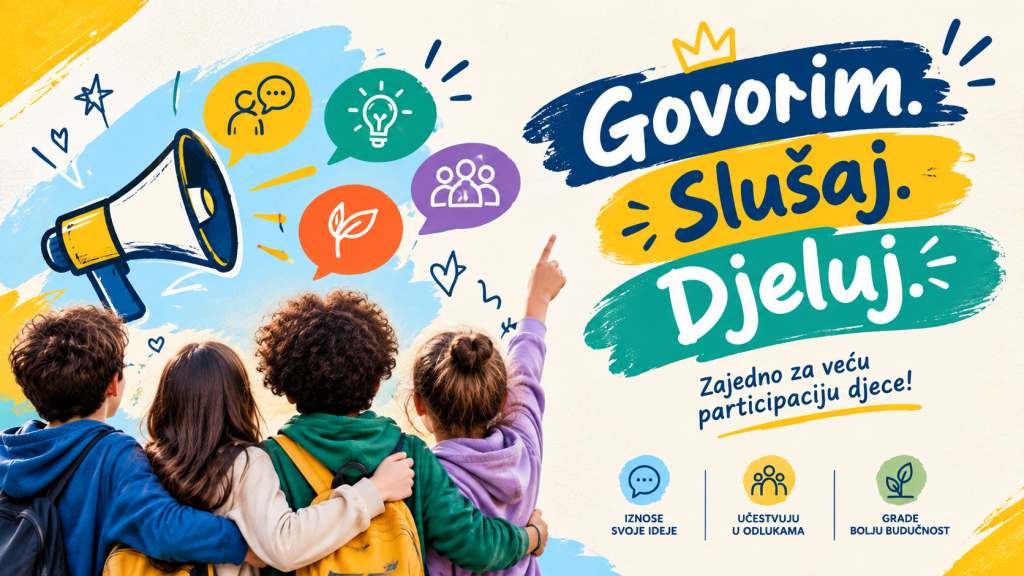
The initiative is implemented as part of the project “Connecting the Dots 2.0 – Improving Children’s Participation in Decision-Making to Advance Children’s Rights and Democracy in Bosnia and Herzegovina”, funded by the European Union. The aim of the initiative is to empower children and youth aged 14 to 20 through education, open dialogue, and advocacy for systemic change.
Adolescence Without Filters: Emotions, Pressures, and Silence
Adolescence is a period of intense change, but also a time when many young people face anxiety, stress, depression, and feelings of loneliness. The “Take Care of Yourself!” initiative responds directly to these challenges by creating a safe space for participants to speak openly, ask questions, and seek support are encouraged. Through a series of carefully designed activities, young people were given the opportunity to better understand themselves and others.
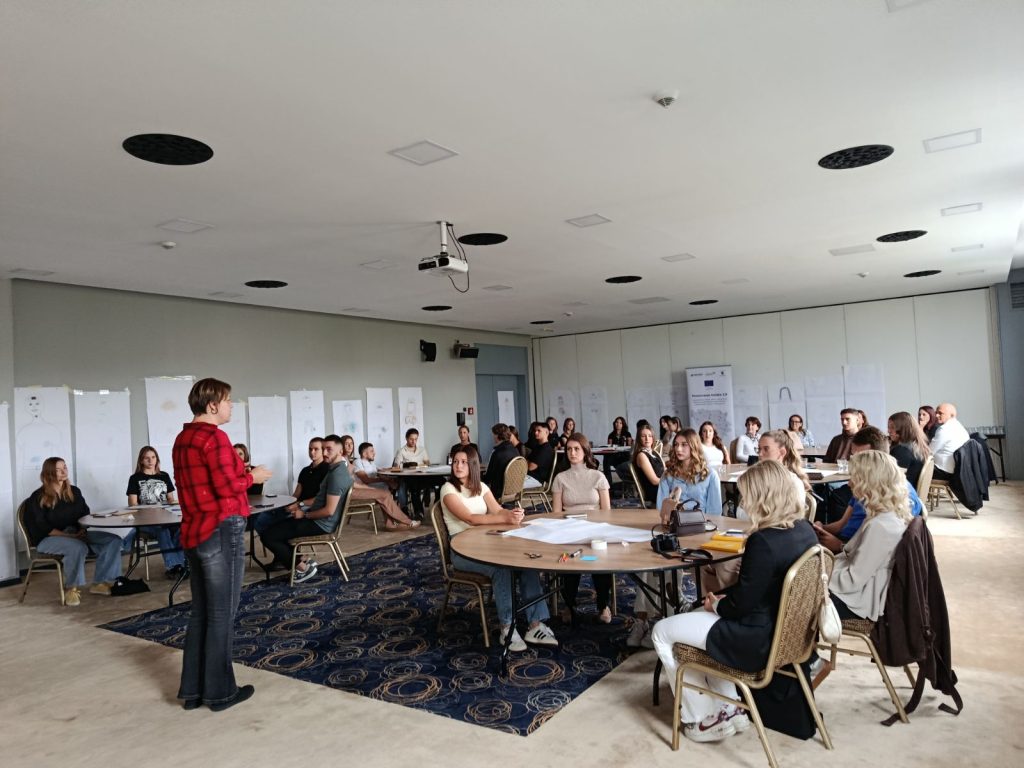
As part of the initiative, educational and interactive workshops were conducted, during which 60 students aged 14 to 18 learned how to recognize, understand, and manage their own emotions. The workshops showed that children not only feel a strong need, but also have the courage, to talk about what troubles them—when they are given the space to do so.
For the older group of young people, aged 18 to 20, group discussions titled “Stories from the Shadows” were organized with the support of professionals from the Center for Mental Health. Participants shared personal experiences related to stress, anxiety, and feelings of isolation, and received practical tools and advices for coping with everyday challenges.
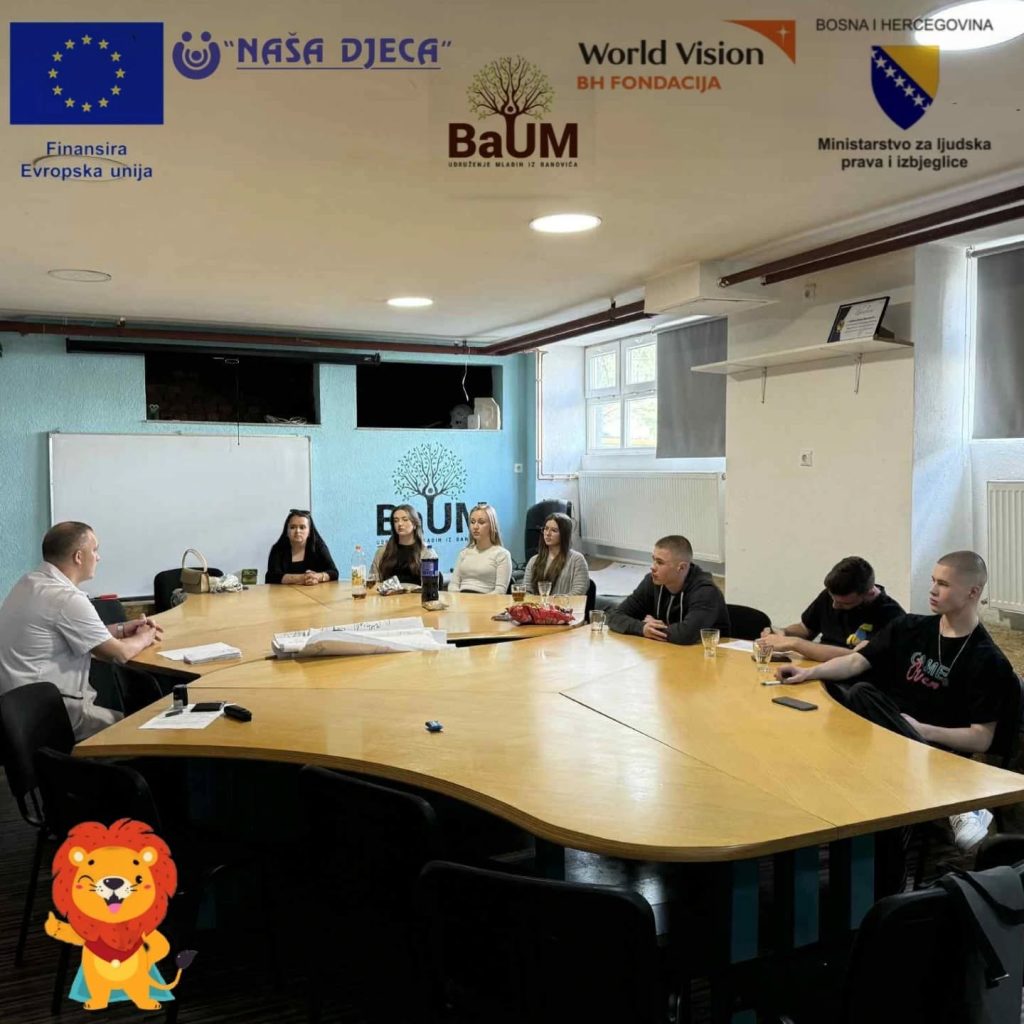
The activities carried out contributed to strengthening young people’s emotional literacy and creating a safe space where they could express themselves honestly. Through workshops and group discussions, participants developed a better understanding of their emotional reactions, learned stress-management strategies, and recognized that they are not alone in the challenges they face. Many students emphasized that this experience helped them communicate more openly with friends, parents, and teachers, and encouraged them to seek support when needed.
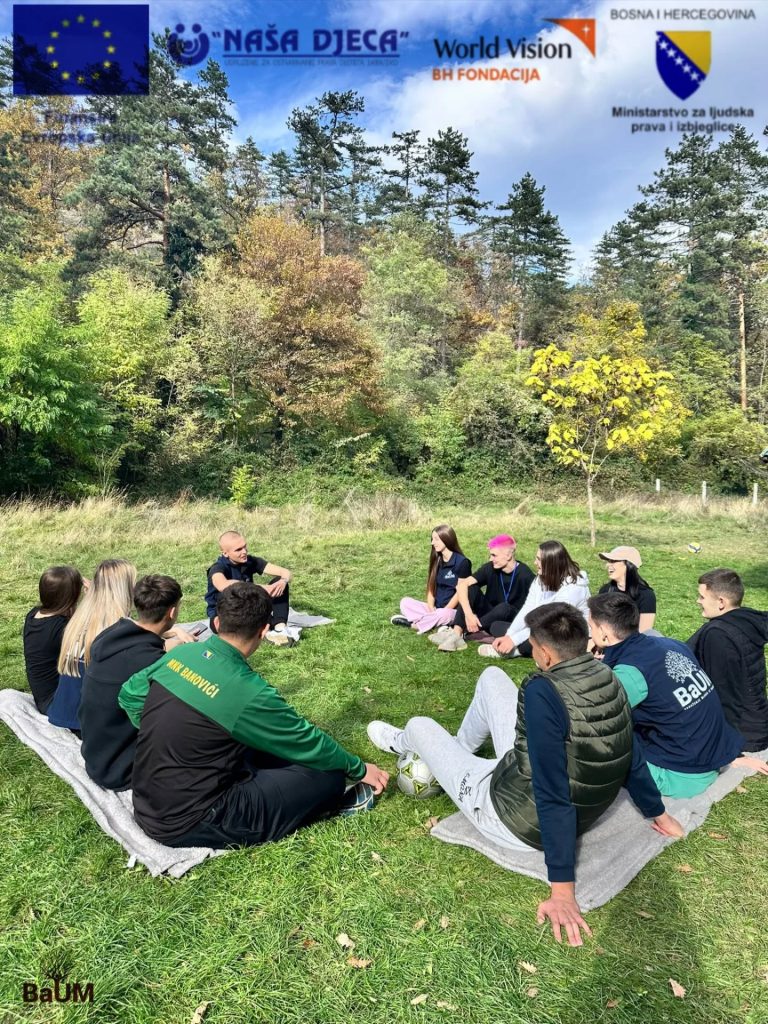
Recognizing the link between physical and mental health, the initiative also included outdoor recreational activities aimed at reducing stress, strengthening a sense of togetherness, and promoting healthy lifestyles. Through organized outdoor activities, young people had the opportunity—through movement and time spent in nature—to release tension and improve their physical and emotional well-being. This approach confirmed the importance of combining conversation, education, and physical activity for the holistic development of young people. Participants highlighted that socializing in an informal environment helped them relax, build new friendships, and recognize healthy ways of taking care of themselves.
A particular milestone of the project was the podcast “Mental Health – A Problem We Should Not Stay Silent About!”, which gave young people the opportunity to discuss issues that matter to them in a digital space. Through open and honest conversations, guests shared young people’s perspectives, experiences from working with children and youth, and emphasized the importance of discussing mental health in a timely manner and providing adequate support. Thematically, the podcast was directly connected to the workshops and group sessions, further strengthening the overall message of the initiative.
From Conversation to Systemic Change
“Take Care of Yourself!” goes beyond the individual level. The initiative also includes an advocacy campaign targeting local authorities and educational institutions. As part of planned activities, an initiative was submitted to the Ministry of Education and Science of Tuzla Canton, with the aim of incorporating more mental health–related content into curricula for primary and secondary schools. The goal is clear—systematically integrating mental health topics into the education system.
The initiative directly involved more than 130 children and youth, while through online content the project’s messages are expected to reach hundreds of indirect beneficiaries—parents, teachers, and members of the wider community. “Take Care of Yourself!” is not just an initiative. It is a call for understanding, empathy, and shared responsibility. It is proof that when young people are given space and trust, they can become leaders of change and help build a healthier and more resilient community.