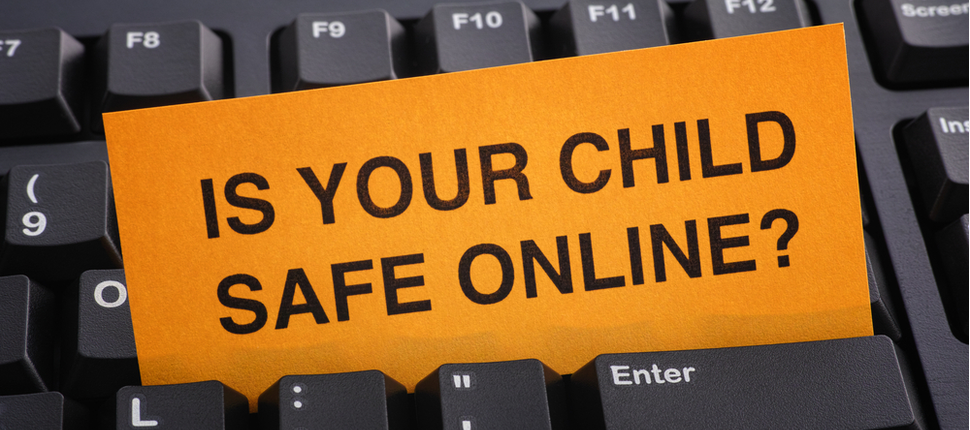
The United Nations Human Rights Office published new Guidelines on Children’s Safety Online in Geneva on 29 May 2026, calling on governments and companies to take stronger measures to protect children from harmful content, privacy violations, and other digital risks.
The guidelines emphasize that protecting children in the online environment should not be reduced solely to restricting access to social media platforms. Instead, it must involve systemic changes in the way digital platforms are designed, developed, and governed.
The UN High Commissioner for Human Rights, Volker Türk, warned that many of the risks children face online stem from the business models and design choices of technology companies. He cited examples such as infinite scrolling, autoplay video features, and constant notifications that encourage excessive use of digital platforms.
The new guidelines, titled Getting Children’s Safety Online Right, are based on a child rights-centered approach to digital policymaking. The document recommends that governments require technology companies to incorporate safety mechanisms into products and services from the earliest stages of development, applying the principle of “safety by design.” It also recommends conducting child rights impact assessments before introducing new digital solutions.
The UN further warns that blanket bans on social media use by minors do not constitute a sustainable long-term solution. Such measures are often ineffective because children find ways to circumvent them, while they may also drive young users toward less regulated and potentially more dangerous online platforms.
A particular focus of the guidelines is the protection of children’s privacy. They stress that age-verification systems must be carefully designed to avoid compromising privacy and the security of personal data. The guidelines also call for greater transparency from digital platforms, more effective oversight of their operations, and accessible mechanisms for reporting and removing harmful content.
According to the UN Human Rights Office, effective online child protection requires cooperation among governments, regulatory authorities, technology companies, parents, educational institutions, and young users themselves. The ultimate goal is not to limit access to the digital world, but to create a safe online environment that respects the rights, dignity, and needs of every child.
Key Recommendations of the Guidelines
- Children’s safety should be embedded into the design of digital platforms from the outset.
- Technology companies must assume greater responsibility for the potential harmful effects of their products and services.
- The protection of children’s privacy and personal data must be strengthened.
- Age-verification systems must comply with privacy protection standards.
- Children and young people should be involved in shaping policies that affect their digital lives.
- Social media bans alone are not sufficient to ensure children’s safety online.
Source: Office of the United Nations High Commissioner for Human Rights.