On the occasion of the numerous activities carried out by the association “Children of Europe” Goražde, we spoke with Slavko Klisura, the president of the association and a great friend of children. We talked about how the idea for the association came about, what the Sunny Classroom and the Children’s Parliament do, why it is important for children to speak out loud about what they think and dream, and how creativity, play, and conversation can change a city for the better. Below, read what Slavko shared with us – simply, sincerely, and just the way children like it.
- What motivated you to establish the Association for Creative Development “Children of Europe,” and why specifically in Goražde?
For more than three decades, I have been dedicated to promoting children’s creativity and creative work for children. The girls and boys of Goražde possess many talents and potentials, but they do not often have the opportunity to develop and showcase them, especially in the field of children’s creativity. Apart from a few events organized by the Goražde Cultural Center, there are not enough opportunities for schoolchildren (primary school pupils) to learn and develop skills in areas such as, for example, visual and musical arts.
However, beyond this reason, the main motivation for establishing the association “Children of Europe” is to create and promote opportunities for the children of Goražde to develop, strengthen, and express their views and opinions, and to be active participants in shaping decisions that affect their upbringing and education within the local community (through the Children’s Parliament).
- What are the most significant activities or projects you have carried out from the founding of the association until today?
The association “Children of Europe” is a volunteer organization primarily funded through membership fees and occasional support from local government institutions (mostly during the commemoration of significant dates) and public institutions. As a result, all activities we have carried out have been on a voluntary basis. The association does not have its own premises and operates through two segments: the Children’s Parliament and the Sunny Classroom.
The Children’s Parliament was established in 2022 at the initiative of a small group of primary school students in Goražde, and the youngest parliamentarians were elected by their classmates during classroom meetings. The main mission of the Children’s Parliament is to enable its members to learn about basic children’s rights and responsibilities, reflect on their needs, desires, dreams, and initiatives, and to develop critical thinking and the ability to express it publicly.
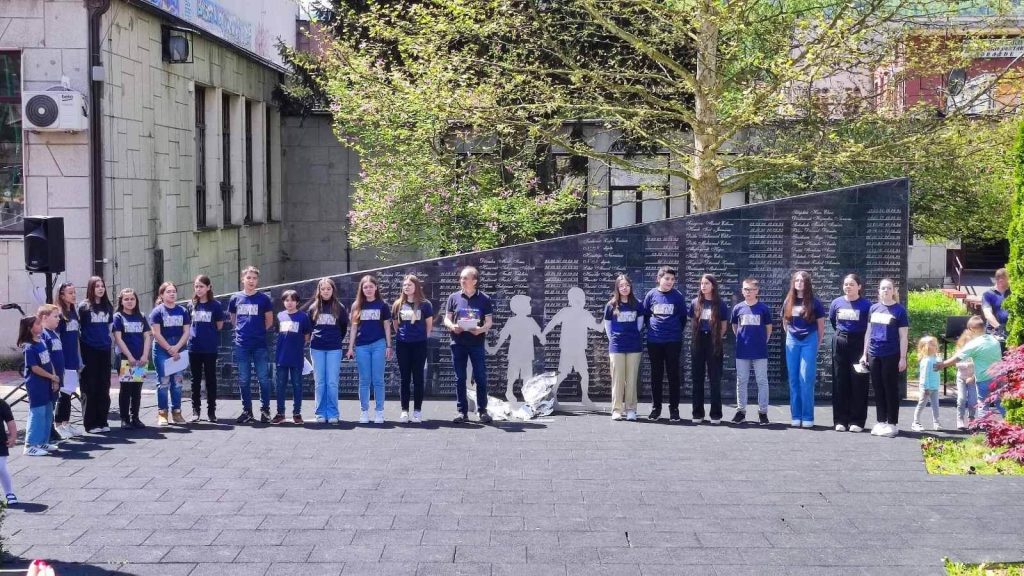
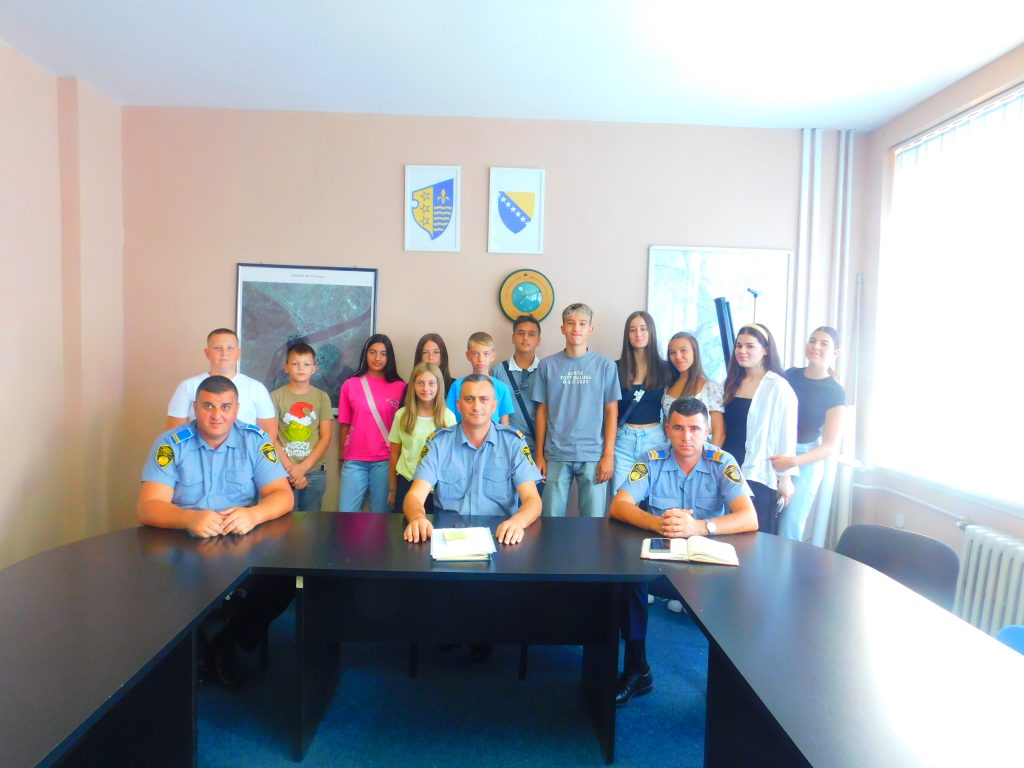
Since its founding until December of this year, the Children’s Parliament has carried out numerous activities, all created, prepared, and implemented entirely on a voluntary basis. In addition to activities with a promotional character to build the visibility of the parliament in public, other activities aimed to establish cooperation with government institutions, educational and judicial institutions, and public cultural institutions. Members of the Children’s Parliament participated in 12 local events that promoted the role of children in the local community, especially in the field of culture. The youngest parliamentarians visited the Museum of Childhood in War, the City Administration, the Government of BPK, the Ministry of Interior of BPK Goražde, and the Municipal Court, where they discussed children’s rights, the need for local and cantonal institutions to pay more attention to children and their needs, and especially focused on improving children’s safety. In line with this, members of the Children’s Parliament initiated several projects aimed at enhancing child safety.
- Tell us more about the Sunny Classroom project and how children experience their participation in it.
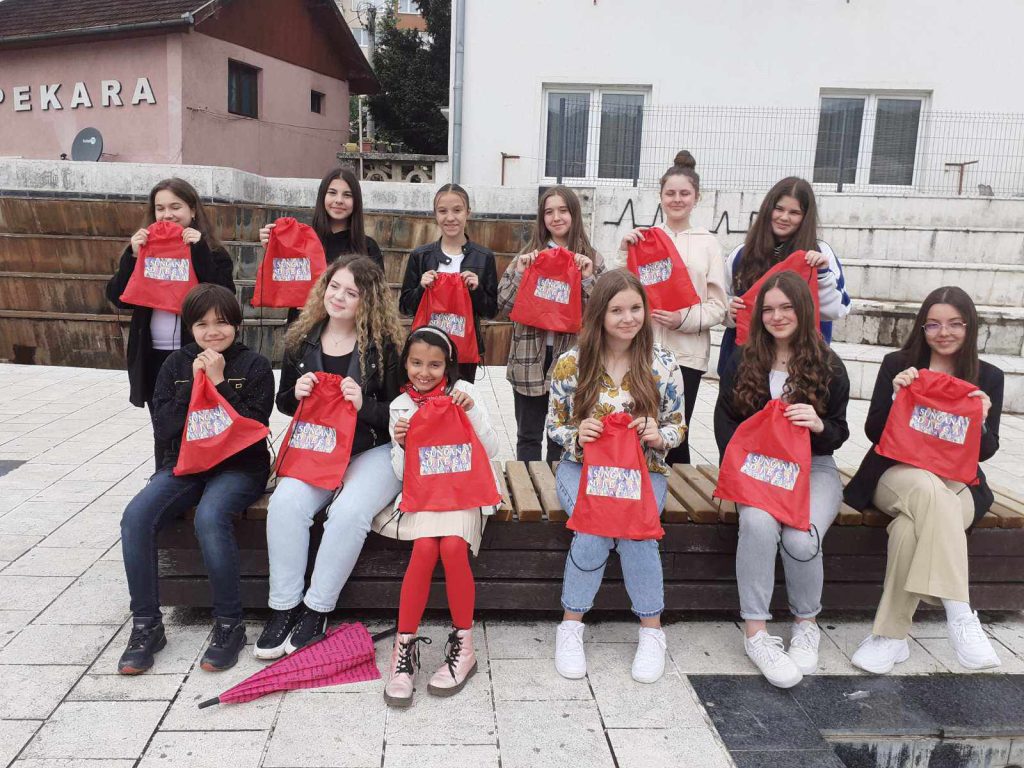
The Sunny Classroom is a part of the “Children of Europe” Association, through which boys and girls have carried out celebratory and promotional cultural activities supported by the Goražde Cultural Center, the relevant cantonal Ministry of Education, the Ministry for Veterans’ Affairs, two primary schools in the city, and the City Administration of Goražde. We have organized three exhibitions of paintings and drawings by the Sunny Classroom students, as well as four poetry matinees where the children read their own poems.
- How significant is the YouTube program “Sunny Classroom” for promoting children’s creativity, and in what ways do you track audience reactions?
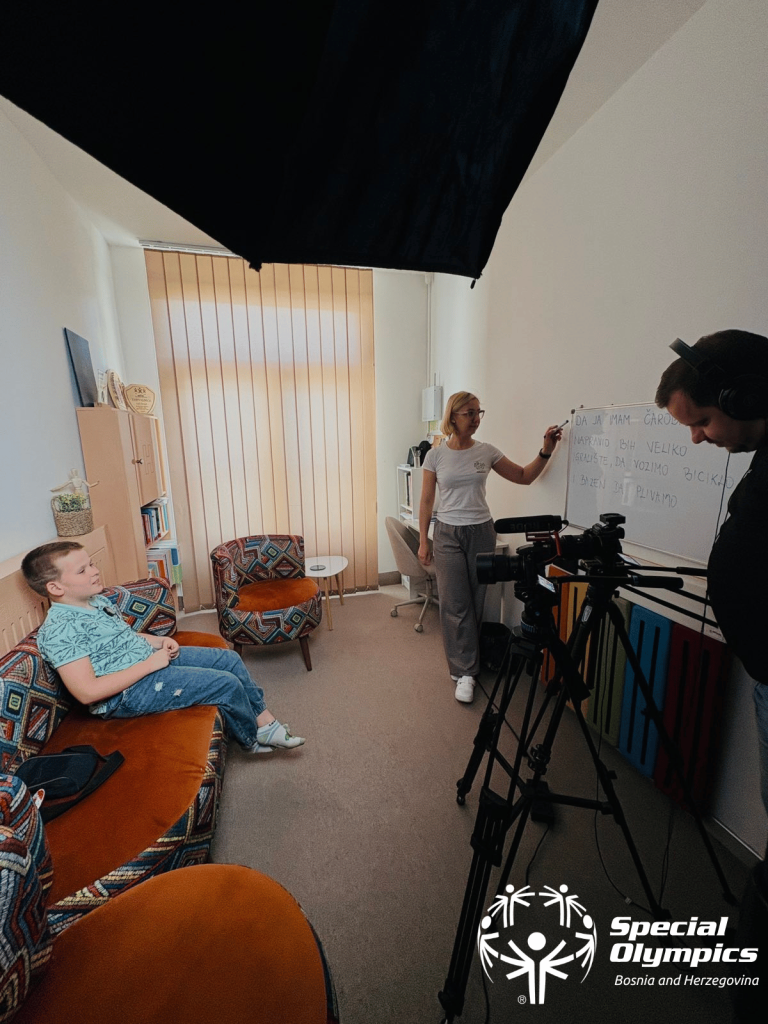
The most important activity of the Sunny Classroom is the TV program Sunny Classroom, which has produced 22 half-hour episodes, giving a large number of students from the region the opportunity to showcase their creative work. The show was created, edited, and produced in a home setup, uploaded to the YouTube channel under the name Children of Europe – Sunny Classroom, and later broadcast on the cantonal television network. This year, through the Sunny Classroom, we plan to launch a children’s theater at the Goražde Cultural Center, which the Sunny Classroom students have named Sunny Theater.
- In which areas does the Children’s Parliament operate, and how does it give children the opportunity to express their opinions and ideas?
The association “Children of Europe” is a local NGO, and most of our activities take place in the city of Goražde, although some have also been carried out in the municipalities of Foča and Pale in the Federation of Bosnia and Herzegovina, as well as in Sarajevo and Rudo.
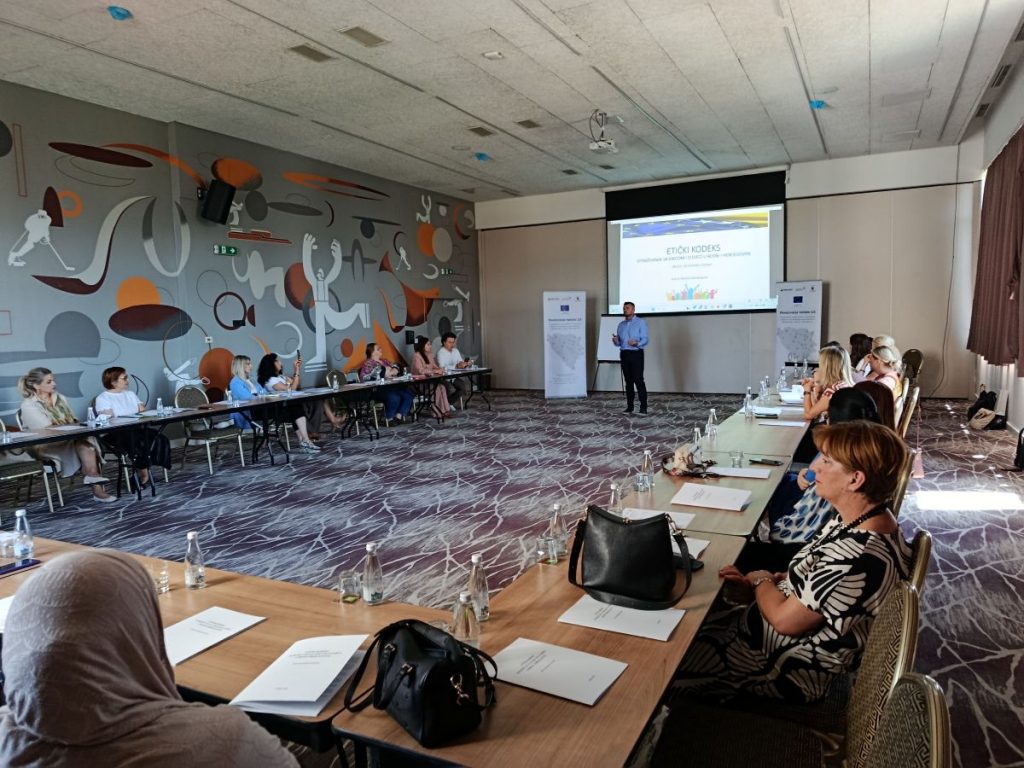
At least once a month, we hold debate meetings where members of the Children’s Parliament discuss topics that they themselves raise and plan concrete activities around. The Children’s Parliament has two presidents, a boy and a girl, who largely lead and moderate these meetings. During each of our debate activities, cantonal television reports on the event, giving members of the Children’s Parliament the opportunity to share their thoughts publicly about the state of children’s rights and responsibilities in the local community. We do not yet have our own website, but when it is launched, it will allow us to publish the statements and messages of the Children’s Parliament members online.
- What topics do children most often raise in the Children’s Parliament meetings, and what have you learned from their discussions?
After introductory meetings and advocacy workshops, members of the Children’s Parliament discussed key topics important to children. The focus was on the prevention of peer violence, respect for children’s rights, organization of school shifts, the role of parents, children’s safety (especially in traffic), equal opportunities for children from urban, suburban, and rural areas, provision of spaces for play, students’ participation in interpreting the educational curriculum, and cooperation with related associations.
- You are planning to launch the Children’s Sunny Little Theater – what role will it play in the development of children’s creativity?
“The Children’s Theater will be a place for learning speech, stage behavior, collective work and action, encountering original theatrical works, and collaborating with the Cultural Center, schools, and kindergartens—institutions whose mission also includes supporting children’s stage expression. Through the Sunny Little Theater, we will provide opportunities for children to engage in acting, to participate as young set designers, costume designers, sound and light technicians, and in everything else that a children’s theater involves. Their creativity will be nurtured, enhanced, and promoted. At the same time, through performances staged in theaters, the visibility of our association will be raised, as well as the recognition and appreciation of children’s creativity in the wider public.
- “What does cooperation with organizations such as “Step by Step” and “Our Children” (“Naša djeca”)?
Cooperation with the Center for Educational Initiatives Step by Step has been ongoing since 2023. It began and continues on an advisory basis, generously offered by friends from this organization, especially in providing guidance for our educational activities. It was further strengthened through two workshops conducted by Step experts in the Children’s Parliament. The Center for Educational Initiatives also acted as our advisor in designing the project I Think and I Want to Say, which is planned to be implemented after the winter months. Step by Step is also a financial donor of our organization, providing funds that enable the basic activities of the project. Their advisory support continues through this project initiative as well.
Collaboration with the organization Our Children began recently, and I believe it is developing in the right direction, given the nature of both associations’ missions and the fact that Our Children supports the Sarajevo Children’s Parliament.
Our wish is that, based on our experiences, every local community in Bosnia and Herzegovina will establish a Children’s Parliament—as a spark of children’s participation in community life and as the best way to build and support future conscious and proactive citizens of our country.
- You emphasize the importance of non-formal education – why is it crucial for the development of children’s creativity and critical thinking?
Formal education takes place according to prescribed curricula and rules. Although teachers are dedicated and committed, we believe that education can be more ‘playful’ and allow students to develop their creative abilities beyond the boundaries of subject-based instruction.
So-called non-formal education, which is most closely connected to associations and informal groups, potentially enables children to devote themselves to their creations without the need for official validation of their success (as in schools), but with encouragement and support for their creativity through exhibitions, concerts, and poetry matinees.
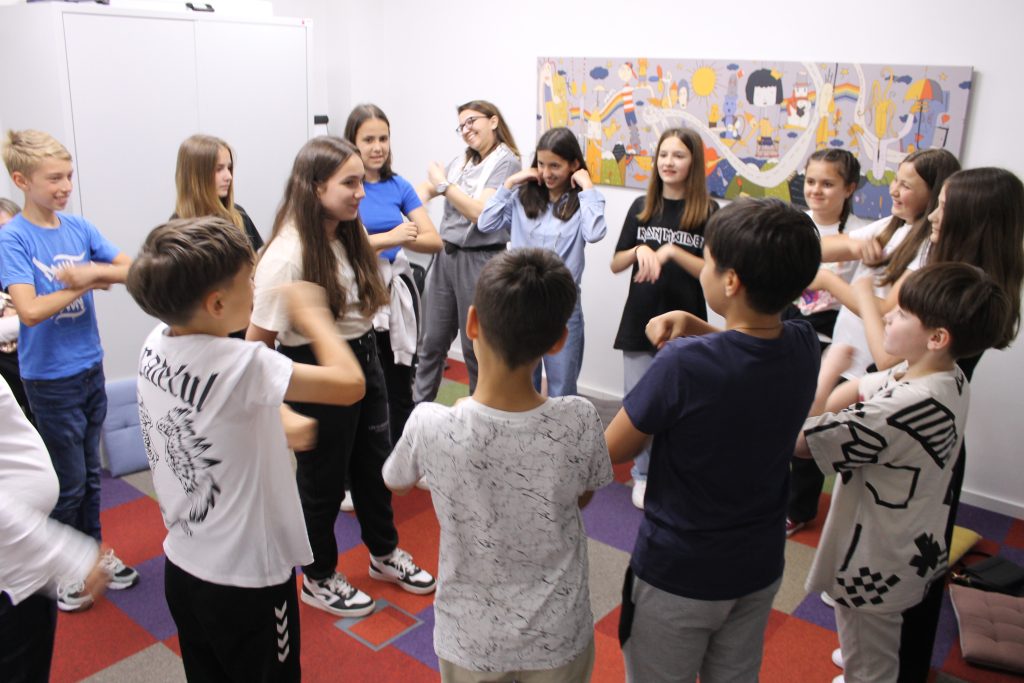
From the perspective of our Association, and especially the Children’s Parliament, non-formal education through workshops and debates allows children to develop their imagination and build critical thinking without pressure, in conditions where everyone has equal rights and opportunities to speak, express opinions, launch initiatives, and debate. All of this, of course, does not diminish the fundamental values of formal schooling, which provides knowledge prescribed by the curriculum. Members of our Children’s Parliament have often said in our informal evaluations that nowhere else, like in the Children’s Parliament, do they feel they can talk about everything and ‘be asked for their opinion.
- What are the biggest obstacles that children in Goražde face when it comes to creative expression, and how does your Association seek to overcome them?
In Goražde, children have very limited opportunities for creative learning and expression compared to larger cities, due to the lack of institutions, programs, and spaces that would encourage the development of their talents. Our Association, although modest in capacity, strives to be a place of encouragement, confidence, and creative growth for the children of the Sunny Classroom and the Children’s Parliament. The Sunny Classroom, the Children’s Parliament, and the future Sunny Little Theater represent the key spaces of this mission. A major limitation is the lack of financial resources and access to larger public calls, which affects the procurement of materials and the organization of cultural activities and performances outside of Goražde.
- Plans for the future.
We plan to continue holding regular meetings of the Children’s Parliament, organize visits to institutions to launch children’s initiatives, establish the Children’s Theater, renew membership, and visit the Children’s Parliament in Sarajevo. One of our important goals is to secure a modest working space for the Association with the support of the City of Goražde, as well as to strengthen visibility and financial sustainability through promotion, projects, and membership fees.
The key activity of the year is the implementation of the project I Think and I Want to Say, in cooperation with the organization Step by Step. The project is focused on strengthening children’s rights, critical thinking, and advocacy skills, as well as increasing the media visibility of the Children’s Parliament. Through a series of radio and TV programs on RTV BPK Goražde, children will present their work, discuss local issues, and send messages to institutions.
The campaign addresses the problem of low visibility of children’s activism, the lack of space for children’s participation, and the need for media literacy. A special part of the project consists of educational workshops in radio and TV journalism, after which selected members of the Children’s Parliament will participate as young reporters in the programs, with the mentoring support of professional journalists.